
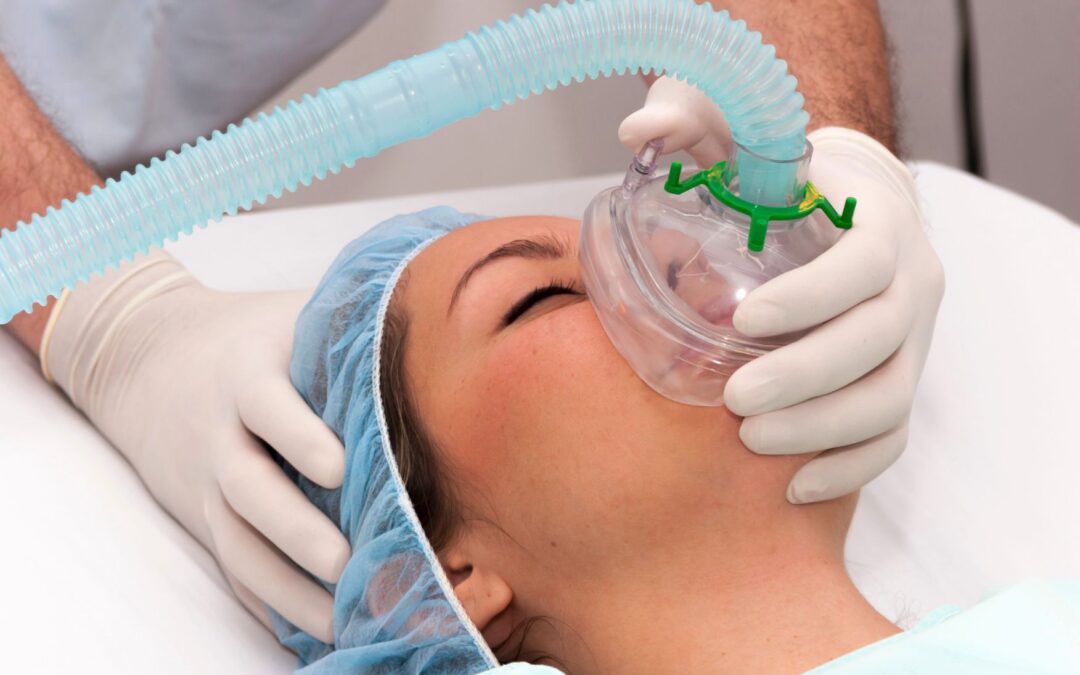
Anesthesia detox is often marketed as a way to simply sleep through withdrawal and wake up with the substance out of your system. That claim can sound promising to someone afraid of withdrawal, but it can also be misleading.
Anesthesia detox is primarily associated with substances that cause dependence through the brain's opioid-receptor system. This includes traditional opioids such as fentanyl, heroin, oxycodone, methadone, and buprenorphine.
In recent years, anesthesia detoxes have begun treating addictions to kratom, concentrated 7-hydroxymitragynine (7-OH) products, MGM-15, and pseudoindoxyl. Kratom is not technically classified as an opioid. Still, several of its active alkaloids interact with the same opioid receptors, which is why these opioid anesthesia detox clinics can detoxify it.
The Coleman Institute stopped performing anesthesia-assisted detox in 2001, after completing a few hundred procedures with zero fatalities. Our medical team developed an easier and gentler alternative through multi-day outpatient protocols that avoid general anesthesia and allow withdrawal to be managed over several days with close medical monitoring and comfort medications.
What Is Anesthesia Detox?
Anesthesia detox is a procedure in which a patient is placed under general anesthesia or deep sedation. At the same time, an opioid antagonist, such as naloxone or naltrexone, is administered to trigger withdrawal rapidly. The antagonist may precipitate withdrawal within roughly 20 minutes, although the patient typically remains under anesthesia or sedation for several hours while the process is monitored.Because the patient is unconscious or heavily sedated, they may have limited awareness of withdrawal symptoms during the procedure. However, anesthesia does not allow the body to bypass withdrawal or guarantee that symptoms will be over when the patient wakes. Discomfort and other withdrawal symptoms may continue afterward, in addition to the medical risks associated with anesthesia or sedation. The procedure may also be called:
- Ultra-rapid detoxification (URD)
- Ultra-rapid opioid detoxification (UROD)
- Anesthesia-assisted rapid opioid detoxification (AAROD)
- Detox under anesthesia
- Sedation detox
Which Substances May Be Treated With Anesthesia Detox?
Anesthesia-assisted and deep-sedation programs generally focus on substances that act directly or indirectly on opioid receptors.Substances treated by sedation-based opioid-dependence programs may include:
| Prescription Opioids | Oxycodone, OxyContin, Percocet, Vicodin, hydrocodone, morphine, codeine, and similar pain medications |
| Illicit & Synthetic Opioids | Heroin, fentanyl, and some fentanyl analogs |
| Long-Acting Opioids* | Methadone and buprenorphine products such as Suboxone, Subutex, and Zubsolv |
| Atypical Opioids | Tramadol, Tapentadol, and other medications with clinically significant opioid-receptor activity |
| Kratom-Related Substances | Kratom, kratom extracts, concentrated 7-OH products, MGM-15, pseudoindoxyl, and other high-potency kratom alkaloid products |
Not every anesthesia detox facility treats every substance, and the exact procedure may vary based on the substance, dose, product potency, duration of use, other substances being used, and the patient's history.
Alcohol, benzodiazepines, cocaine, methamphetamine, and other non-opioid substances require different withdrawal-management approaches. They are not typically treated with an opioid-antagonist procedure like anesthesia detox.
Can Kratom Be Treated With Anesthesia Detox?
Yes. Although kratom is not an opioid, its primary alkaloids, especially mitragynine and 7-hydroxymitragynine, interact with mu-opioid receptors. Regular use of kratom-derived products can lead to tolerance, dependence, and withdrawal symptoms that frequently resemble opioid withdrawal.Because of this opioid-receptor activity, some facilities include kratom dependence within their anesthesia-assisted treatment programs. Opioid antagonists can affect the receptors activated by kratom alkaloids and may precipitate withdrawal in someone dependent.
That does not mean every opioid anesthesia-detox protocol can automatically be used for every kratom product. Traditional kratom leaf, extracts, enhanced products, 7-OH tablets, and newer synthetic or semi-synthetic alkaloid products can differ significantly in potency and pharmacology. It’s also important to note that research specifically evaluating anesthesia-assisted detox for kratom remains limited.
How Does Anesthesia Detox Work?
During traditional anesthesia detox, opioid antagonists such as full-strength naloxone or naltrexone block opioid receptors. When these medications are given to someone who is physically dependent on an opioid, or another substance that significantly activates opioid receptors, they can cause precipitated withdrawal; this is an abrupt and often intense form of withdrawal. This process removes all opioids, including kratom, from the brain’s receptors in as little as twenty minutes.General anesthesia limits the patient's awareness of what is happening, but it does not prevent the body from experiencing the physical stress of withdrawal. After the procedure, patients frequently experience severe nausea, vomiting, diarrhea, muscle aches, anxiety, agitation, insomnia, cravings, and other withdrawal symptoms. Some may require continued medical observation or hospitalization; these clinics advertise as having this super quick procedure, but what they don’t highlight is the amount of time, whether it's days or weeks, they have to stay hospitalized recovering.
Is Anesthesia Detox Safe?
The research and findings on anesthesia detox have raised serious safety concerns. The American Society of Addiction Medicine advises against ultra-rapid opioid detoxification because of the risk of serious adverse events or death. The Centers for Disease Control and Prevention (CDC) has also stated that ultra-rapid detoxification under anesthesia carries substantial risks and should not be used.Possible complications of anesthesia detox include:
- Breathing problems, aspiration, or pulmonary edema
- Dehydration and electrolyte imbalances
- Heart rhythm disturbances and other cardiovascular complications
- Stress on the kidney and complications
- Severe agitation, confusion, delirium, or psychiatric symptoms
- Complications related to general anesthesia
- Death
Can You Really Sleep Through Withdrawal?
Anesthesia may prevent someone from consciously experiencing part of an induced withdrawal period, but it does not stop withdrawal from occurring. The nervous system and other body systems still undergo the physical stress of the process, and symptoms may continue after the patient wakes up.In a clinical trial published in JAMA, withdrawal severity was comparable among patients assigned to anesthesia-assisted opioid detox, buprenorphine-assisted detox, or clonidine-assisted detox. The anesthesia group did not have better treatment retention or opioid-use outcomes, and the procedure was associated with three potentially life-threatening adverse events.
Does Anesthesia Detox Prevent Relapse?
No detoxification procedure can, by itself, resolve a substance use disorder or guarantee that someone will stay sober. Detox addresses withdrawal and medical stabilization. It does not automatically address cravings, mental health conditions, stress, trauma, behavioral patterns, or the person's environment.After a period without opioids or other opioid-receptor-active substances, tolerance may decline. Returning to a previously used amount can increase the risk of severe toxicity or overdose, particularly with fentanyl, heroin, prescription opioids, and even concentrated kratom products like 7-OH extracts.
Why Did The Coleman Institute Stop Performing Anesthesia Detox?
The Coleman Institute performed more than 300 anesthesia-assisted detox procedures during the early development of our rapid detoxification treatment program. Although our former program did not experience any fatalities, we found that the procedure placed significant stress on patients and did not eliminate the difficult period following detox.Our medical team concluded that the risks, cost, and post-procedure discomfort were not justified when a gentler approach could be developed. In 2001, The Coleman Institute stopped performing detox under general anesthesia and developed the Coleman Method for accelerated outpatient withdrawal management.
How Is The Coleman Method Different From Anesthesia Detox?
The Coleman Method is not ultra-rapid detox under anesthesia. Our outpatient programs take place over several days, use medical monitoring and substance-specific medications, and do not place patients under general anesthesia.Over the decades, we’ve treated thousands of patients, including many who previously underwent anesthesia detox. These patients consistently tell us that they found our method to be far more comfortable than their experience with anesthesia detox.
The Coleman Institute offers outpatient treatment for:
- Fentanyl & heroin
- Prescription opioids & pain medications
- Suboxone & Methadone
- Kratom, 7-OH, MGM-15, & pseuodinodxyl
- Alcohol
- Stimulants
- Benzodiazepines
Another consideration is that, because of the fatality risk associated with anesthesia detox, many people don’t even qualify for it, especially those who are elderly or have other health conditions. Because our method is much safer than an anesthesia detox, we aren’t as limited in who we can accept into our program.
Our approach includes non-addictive comfort medications, close monitoring, and naltrexone when medically appropriate. Every patient completes a medical screening before scheduling so a provider can determine whether our accelerated program is suitable. A support person is also required during treatment and immediately afterward.
Find an Alternative to Anesthesia Detox
If you or someone you love is concerned about withdrawal, The Coleman Institute is here to help. You don’t have to wait to start your lasting recovery, as we have no waitlist and are accepting patients at all locations.Our accelerated outpatient detox programs with a 0% fatality rate are designed to help medically eligible patients reclaim their sobriety without general anesthesia or an extended inpatient stay. Because detoxification is only one part of recovery, we also encourage patients to continue with counseling, recovery support, mental health care, and other appropriate treatments; all TCI patients receive 6 months of follow-up care, along with a case manager who can help with their aftercare plan.
Call 877-773-3869 to speak with a compassionate admissions coordinator about your addiction treatment options.