
On July 1st, 2026, the U.S. Drug Enforcement Administration (DEA) announced action to temporarily place certain 7-hydroxymitragynine (7-OH) substances and related synthetic compounds into Schedule I of the Controlled Substances Act. The announcement has left many consumers asking the same question: Is 7-OH illegal now?
No, not yet federally. While the DEA has announced its intent to temporarily place certain high-potency 7-hydroxymitragynine (7-OH) products and related synthetic compounds into Schedule I of the Controlled Substances Act, the agency has initiated the scheduling process rather than finalized it. The action targets certain enhanced 7-OH products and does not mean all kratom products are federally banned. Regardless of federal status, certain states, counties, and cities have already banned or restricted kratom, 7-OH, or related products under their own laws.
The federal action focuses on enhanced 7-OH products, including products with 7-OH above a specified threshold, as well as synthetic derivatives such as mitragynine pseudoindoxyl, MGM-15, and MGM-16. These are not the same as traditional kratom leaf products that contain only trace levels of naturally occurring 7-OH.
For people who regularly use 7-OH products, those who have developed physical dependence may experience withdrawal symptoms. Understanding what the DEA’s action means, what products are affected, and when to seek medical help is critical.
What Is 7-OH?
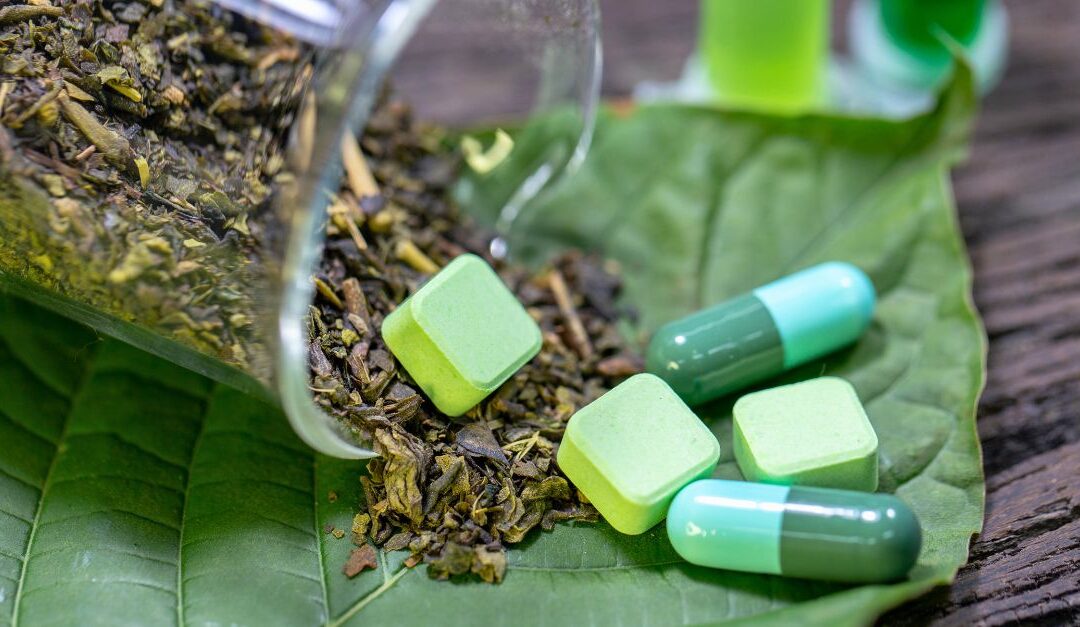
7-hydroxymitragynine, often called 7-OH, is an alkaloid associated with the kratom plant. In the natural kratom leaf, 7-OH occurs only in trace amounts.The products raising concern today are different. Many contain isolated, enhanced, synthesized, or highly concentrated 7-OH. These products may be sold as tablets, capsules, gummies, liquid shots, drink mixes, powders, or other concentrated extracts.
Because these products can contain much higher levels of 7-OH than traditional kratom leaf, they may produce stronger opioid-like effects and carry a greater risk of tolerance, dependence, and withdrawal.
What Did the DEA Announce?
The DEA announced two Notices of Intent related to 7-OH and kratom-derived synthetic compounds.One notice addresses the temporary placement of 7-OH above a specified threshold into Schedule I. The second notice addresses three synthetic 7-OH derivatives:
- Mitragynine pseudoindoxyl (MP)
- Dihydro-7-hydroxymitragynine (MGM-15)
- MGM-16, the 9-fluoro derivative of 7-hydroxymitragynine
Does This Mean All Kratom Will Be Banned?
No. The DEA’s action is not intended to regulate natural kratom leaf that does not contain enhanced levels of 7-OH. Traditional kratom leaf contains trace levels of naturally occurring 7-OH, but the federal action is focused on enhanced, concentrated, and synthetic 7-OH products.The DEA is targeting high-potency 7-OH products and related synthetic compounds, not every single product made from the kratom plant.
What Kratom Products Are Affected?
The DEA action targets products containing certain high-potency or synthetic kratom-related substances, including:- 7-hydroxymitragynine (7-OH) exceeding the DEA's proposed threshold of more than 0.050% by weight or more than 1 mg per product
- Mitragynine pseudoindoxyl
- MGM-15
- MGM-16
Why Did Federal Agencies Take Action?
Federal regulators are concerned because enhanced 7-OH products are significantly different from and more dangerous than the traditional kratom leaf.These products pose public health concerns because of their potency, addictive potential, and opioid-like effects. The FDA had already issued warning letters in July 2025 to companies selling illegal products containing 7-OH, including tablets, gummies, drink mixes, and liquid shots. In December 2025, the FDA, the DOJ, and the U.S. Marshals Service seized approximately $1 million worth of unlawful 7-OH dietary supplements and food products from three Missouri firms.
The DEA’s action is a response to an emerging public safety threat involving highly concentrated synthetic 7-OH products.
What This Means If You Use 7-OH
If you use traditional kratom products, this announcement may not affect you in the same way it affects someone using high-potency 7-OH tablets, shots, or synthetic derivatives.However, if you regularly use concentrated 7-OH, MGM-15, pseudoindoxyl, or similar products, this federal action could affect availability. Products will become harder to purchase, retailers may remove them, and online sellers may stop carrying them.
For people who are physically dependent, suddenly losing access can trigger withdrawal.
Common 7-OH withdrawal symptoms may include:
- Anxiety
- Restlessness
- Insomnia
- Sweating
- Nausea
- Muscle aches
- Irritability
- Cravings
- Depression or mood changes
Should You Quit 7-OH Cold Turkey?
Quitting suddenly can be extremely difficult if your body has become dependent on 7-OH or related synthetic compounds.Some people may be able to stop on their own. Others may experience significant withdrawal symptoms that make it hard to function, sleep, work, or avoid returning to use.
If you have been using 7-OH products daily or in high amounts, consider medically detoxing at The Coleman Institute to prevent relapse and reclaim your sobriety.
Treatment for 7-OH Dependence
If you’ve become dependent on 7-OH, you may assume your only options are a 30-day inpatient rehab program or long-term medication-assisted treatment. But those aren’t your only options.At The Coleman Institute for Addiction Medicine, we provide a five-day outpatient medical detox program designed to detox patients from 7-OH and other opioid-like substances without requiring an extended residential stay.
Treatment begins with a comprehensive medical screening performed by one of our medical providers. During this evaluation, we assess your medical history, current medications, substance use patterns, withdrawal risk, and any other factors that may affect your care. Based on that assessment, we develop an individualized detox plan tailored to your needs.
Our approach is also abstinence-based. Rather than replacing one opioid-like substance with another, our goal is to help patients safely stop using kratom products without starting long-term maintenance medications such as Suboxone. Instead, we use non-addictive comfort medications and evidence-based medical protocols to help manage withdrawals throughout the detox process.
If changing laws have made you reconsider your kratom or 7-OH use, or you’ve been trying to quit but haven’t been able to on your own, you don’t have to go through this alone.
Frequently Asked Questions
Is 7-OH illegal now?
Not yet federally. The DEA has announced its intent to temporarily schedule certain high-potency 7-OH products and related synthetic compounds. The proposed action applies only to specific enhanced 7-OH products and does not ban traditional kratom leaf or all kratom products. But federal law is only part of the picture. Several states, and in some cases, local jurisdictions, have enacted their own laws restricting or prohibiting kratom, 7-OH, or related compounds.Will the DEA ban apply to MGM-15?
Yes. MGM-15, also called dihydro-7-hydroxymitragynine, is one of the synthetic derivatives included in the DEA’s temporary scheduling action.Will the DEA ban apply to pseudoindoxyl?
Yes. Mitragynine pseudoindoxyl, also called MP, is specifically included in the DEA’s action.Will this ban all kratom?
No. HHS stated that the action is not intended to regulate natural kratom leaf that does not contain enhanced levels of 7-OH.Can 7-OH cause withdrawal?
Yes. Regular use of concentrated 7-OH products can lead to tolerance, physical dependence, and withdrawal symptoms when use stops.Final Thoughts
The DEA’s action marks a major turning point for high-potency 7-OH products and related synthetic compounds, such as MGM-15, MGM-16, and mitragynine pseudoindoxyl.For consumers, the most important takeaway is that the federal action targets enhanced 7-OH and synthetic kratom-related compounds, not traditional kratom leaf as a whole.
For people who have become dependent on these products, the bigger concern may be withdrawal. If you or your loved one is worried about stopping 7-OH, professional recovery support can help make the process safer and more comfortable.