
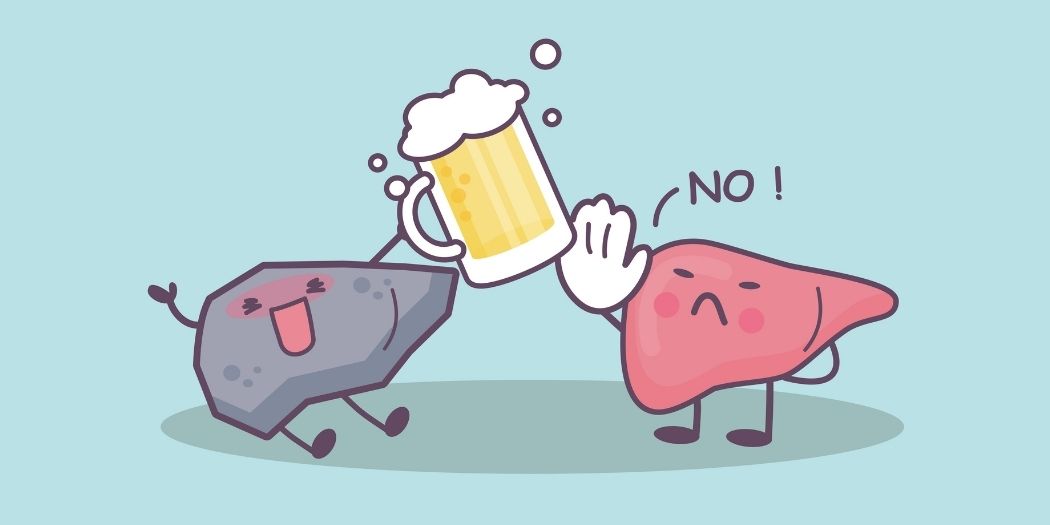
Deciding to stop drinking or reduce your alcohol consumption is one of the most important steps you can take for your overall health. While recovery can bring physical and emotional challenges, it also allows your body to begin healing itself, especially your liver.
The liver is responsible for filtering toxins, processing nutrients, producing bile for digestion, storing energy, and performing hundreds of other essential functions. Because alcohol is primarily metabolized by the liver, heavy or long-term drinking places this vital organ under constant stress. Over time, excessive alcohol use can lead to inflammation, fatty liver disease, alcoholic hepatitis, fibrosis, or even cirrhosis.
The good news is that the liver has an incredible ability to regenerate. In many cases, stopping or cutting down on alcohol allows healthy liver cells to repair damaged tissue and restore normal function. Although recovery looks different for everyone, many individuals begin noticing changes within days or weeks of quitting alcohol.
If you’re wondering whether your liver is getting healthier after you stop drinking, here are the signs to look for, how long it typically takes for your liver to heal, and when it’s important to seek medical care.
Can Your Liver Heal After You Stop Drinking?
For many people, yes.The liver is the only internal organ capable of regenerating itself. When alcohol use ceases, healthy liver cells can begin repairing damage and restoring function. How much recovery is possible depends on several factors, including:
- How long you’ve been drinking
- How much alcohol you typically consume
- Your overall health and wellness
- Your diet and nutrition
- Whether liver disease has already developed
- Whether or not you completely stop drinking
Alcoholic Fatty Liver Disease
Alcohol-related fatty liver is often the earliest stage of liver damage. Fat accumulates inside liver cells, making the liver less efficient. Fortunately, AFLD usually can be reversed with alcohol abstinence.Alcoholic Hepatitis
Alcoholic hepatitis, also known as alcohol-associated hepatitis, is inflammation of the liver caused by excessive alcohol use. Mild cases may improve after stopping drinking alcohol, while severe cases require immediate medical treatment.Fibrosis
Repeated liver inflammation can cause scar tissue to develop. While some improvement may occur after getting sober, continued alcohol use significantly increases the risk of permanent liver damage.Cirrhosis
Cirrhosis occurs when extensive scar tissue permanently replaces healthy liver tissue. Although cirrhosis generally cannot be reversed, quitting drinking alcohol can slow or stop additional damage and improve long-term health outcomes.How Long Does It Take Your Liver to Heal From Alcohol?
Everyone heals differently, but many people begin experiencing improvements in their health surprisingly quickly after they stop using alcohol.Within the First 24 - 72 Hours
During the first few days, alcohol leaves your system completely. Your liver no longer has to continuously process alcohol, allowing recovery from inflammation to begin.This period is also when alcohol withdrawal symptoms may begin. Depending on your drinking history, withdrawal can range from mild discomfort to a medical emergency.
Within One to Two Weeks
Many people begin noticing improvements such as:- Better sleep quality
- Increased energy
- Improved appetite
- Less bloating
- Better hydration
- Improved concentration
Within One Month
As recovery continues, fat accumulation in the liver may begin to decrease. Many people also experience healthier digestion, clearer skin, and improved overall wellness.After Several Months
For individuals without end-stage liver disease, liver function tests may continue improving over several months of abstinence. In addition, energy, mood, digestion, and physical health often continue to improve.If significant liver damage has already occurred, recovery may take much longer, and ongoing medical treatment may be necessary.
Signs Your Liver Is Recovering From Alcohol
You Have More Energy
One of the liver’s many responsibilities is converting nutrients into usable energy. When the liver is damaged, this process becomes less efficient, leaving many people feeling chronically tired.As liver function improves, your body becomes better at processing nutrients and storing energy. Many people notice they wake up feeling more rested and experience fewer afternoon energy crashes.
Your Skin Looks Healthier
Your liver helps remove waste products from your bloodstream. When it isn’t functioning properly, toxins can build up and affect your skin.As your liver recovers, you may notice:
- Improved complexion
- Healthier skin tone
- Reduced dryness
- Less itching
Digestion Improves
The liver produces bile, which helps digest fats and absorb nutrients.Heavy alcohol use can interfere with bile production, leading to symptoms like:
- Bloating
- Gas
- Nausea
- Poor appetite
- Diarrhea
Liver Blood Tests Improve
The most reliable way to evaluate liver recovery is through laboratory testing.Healthcare providers commonly monitor:
- ALT (Alanine aminotransferase)
- AST (Aspartate aminotransferase)
- GGT (Gamma-glutamyl transferase)
- Bilirubin
- Albumin
Keep in mind that seeing improvements may take weeks or months, depending on the severity of previous alcohol use.
Bloating & Swelling Decrease
Alcohol can contribute to inflammation, fluid retention, and abdominal discomfort.As your body recovers, you may notice:
- Less abdominal bloating
- Reduced facial puffiness
- Decreased water retention
- More comfortable digestion
You Feel Better Overall
As your liver and the rest of your body begin recovering, improvements often occur across multiple areas of your health.Many people report:
- Better mood
- Increased motivation
- Improved exercise tolerance
- More stable appetite
- Greater sense of well-being
What Can Slow Down Liver Healing?
Everyone’s different, and not everyone heals at the same pace.Several factors can delay recovery, including:
- Continuing to drink alcohol
- Obesity
- Diabetes
- Viral hepatitis
- Poor nutrition
- Smoking
- Certain medications
- Other substance use
- Advanced liver disease
Can You Speed Up Liver Healing?
There is no miracle liver cleanse or detox drink that can repair alcohol-related liver damage overnight.Instead, the best way to support liver recovery is through healthy lifestyle changes.
These include:
- Abstaining from alcohol
- Eating a balanced, nutrient-rich diet
- Staying hydrated
- Getting regular exercise
- Prioritizing sleep
- Managing health conditions
- Following your healthcare provider’s recommendations
Liver Healing Versus Alcohol Withdrawal
Many people confuse alcohol withdrawal symptoms with liver recovery, but the two are different.Alcohol withdrawal occurs because the brain and nervous system are adapting to the absence of alcohol after becoming dependent on it.
Common withdrawal symptoms include:
- Anxiety
- Sweating
- Tremors
- Nausea
- Increased heart rate
- Insomnia
- Irritability
Liver healing, on the other hand, is a gradual process that typically results in increased energy, better digestion, healthier skin, improved sleep, and more normal lab test results over time.
When Should You See A Doctor?
If you have been drinking heavily or for an extended period, it’s important to speak with a healthcare provider before attempting to quit alcohol on your own. Stopping alcohol cold turkey can be dangerous.Seek immediate medical attention if you experience:
- Yellowing of the skin or eyes
- Vomiting blood
- Black or bloody stools
- Severe abdominal swelling
- Confusion
- Hallucinations
- Seizures
- Difficulty staying awake
How Outpatient Alcohol Detox Can Help
While your liver often begins healing soon after you stop drinking, alcohol withdrawal itself can be unpredictable and, for some, dangerous.At The Coleman Institute for Addiction Medicine, we provide a medically supervised outpatient alcohol detox program designed to help eligible patients withdraw from alcohol safely without the need to be hospitalized or go inpatient.
Treatment begins with a comprehensive medical screening, during which one of our providers evaluates your alcohol use history, medical conditions, medications, and withdrawal risk. Based on this assessment, we develop an individualized treatment plan designed to make the detox process as safe and comfortable as possible.
Our outpatient alcohol detox program is typically completed in just three days, allowing many patients to recover without putting their lives completely on hold.
If you’re ready to stop drinking but are concerned about withdrawal symptoms or your liver health, our compassionate, experienced team is here to help.