
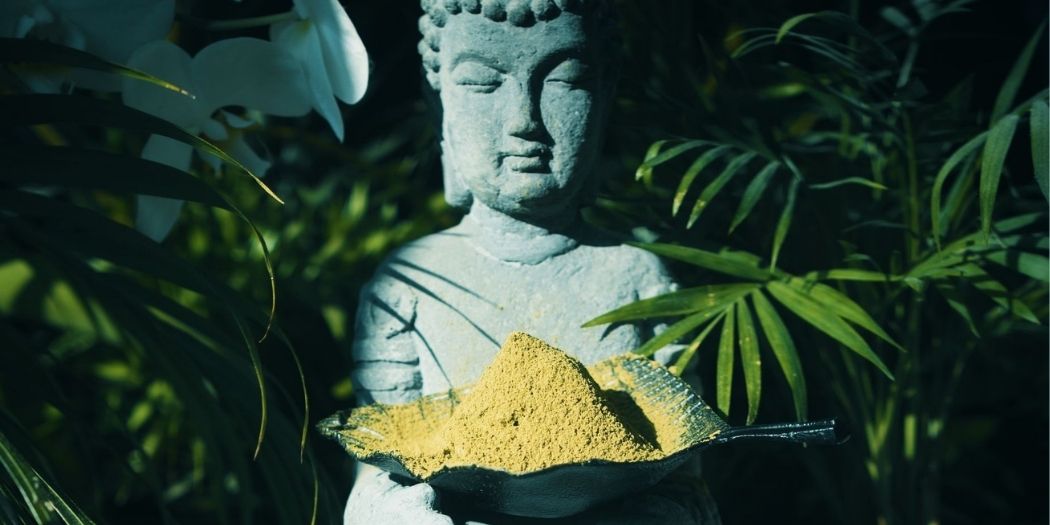
As federal and state regulations surrounding kratom, 7-hydroxymitragynine, MGM-15, and mitragynine pseudoindoxyl continue to evolve, many people are searching for alternatives that provide similar effects. Online discussions within the kratom community increasingly mention akuamma (Picralima nitida) as a potential kratom alternative or 7-OH replacement, leading many people to wonder whether or not to start taking it.
Unlike kratom, akuamma does not contain mitragynine or 7-hydroxymitragynine (7-OH). However, it does contain naturally occurring alkaloids that interact with opioid receptors. While akuamma appears to be less potent than traditional kratom and significantly weaker than high-potency 7-OH products, research remains limited. Before replacing one substance with another, it's important to understand how akuamma works, how it compares to kratom, and what current research shows.
What Is Akuamma?
Akuamma (Picralima nitida) is an evergreen tree native to tropical regions of West Africa. For centuries, its seeds have been used in traditional medicine to help treat pain, fever, gastrointestinal disorders, malaria, and other ailments.Today, akuamma is commonly sold as whole seeds, powders, capsules, extracts, and tinctures.
Akuamma seeds naturally contain several indole alkaloids, including akuammine, pseudo-akuammigine, akuammicine, akuammidine, and picraline.
Unlike many other herbal supplements marketed for pain relief, akuamma's compounds are pharmacologically active. Laboratory studies have shown that several akuamma alkaloids interact with the mu-opioid receptor (μOR), the same receptor involved in the effects of opioids (i.e., morphine, heroin, fentanyl) and kratom alkaloids.
Although their opioid activity appears significantly weaker than that of kratom products or traditional opioids, this receptor activity helps explain why akuamma is increasingly discussed as a possible alternative to kratom.
Why Are People Looking For A Kratom Replacement?
Interest in kratom alternatives and 7-OH replacements has grown significantly in recent years as the popularity of kratom products has increased alongside evolving state and federal regulations.As a result, many people are searching for:
- Kratom Replacement
- 7-OH Alternative
- Alternative to MGM-15
The Journal of Psychoactive Drugs’ recent survey of akuamma users in the United States demonstrates just how closely these substances are connected. All participants who reported using akuamma had previously used kratom, and many reported trying akuamma for pain management or as an opioid substitute.
While researchers did not identify participants meeting modified DSM-5 criteria for akuamma-related substance use disorder, they emphasized that additional research is needed to better understand akuamma's safety, effectiveness, dependence potential, and long-term health effects.
Akuamma Versus Kratom
Although both plants contain compounds capable of interacting with opioid receptors, kratom generally produces stronger opioid-like effects because of its primary alkaloids.| Akuamma | Kratom |
| Native to West Africa | Native to Southeast Asia |
| Contains akuamma alkaloids | Contains mitragynine and 7-hydroxymitragynine |
| Weaker opioid receptor activity | Stronger opioid receptor activity |
| Limited human research | Much larger body of research |
| Often marketed as a kratom alternative or complementary to kratom | Associated with tolerance, withdrawal, and dependence |
Does Akuamma Affect Opioid Receptors?
Yes. Studies have shown that several akuamma alkaloids bind to and activate the mu-opioid receptor (μOR), although much more weakly than traditional opioids or kratom. This distinction is important.Researchers have proven that several naturally occurring akuamma compounds interact with the same receptor system responsible for many opioid effects.
But this does not mean akuamma behaves exactly like other opioids, such as prescription painkillers. However, it does explain why scientists continue studying its pharmacology and why some people view it as a possible kratom replacement.
Could Akuamma Follow The Same Path As Kratom?
One of the more interesting findings in recent research has little to do with commercially available akuamma products. Instead, it involves what scientists have been doing in the laboratory.Researchers studying akuamma's alkaloids discovered that one naturally occurring compound, pseudo-akuammigine, could be chemically modified to yield a semi-synthetic derivative, N-1-phenethyl pseudo-akuammigine (PhEtPAK).
In that same study, PhEtPAK demonstrated approximately 70-fold greater potency at activating the μ-opioid receptor than its naturally occurring parent compound, pseudoakuammigine.
PhEtPAK is not naturally found in akuamma seeds. However, these findings highlight an important lesson already seen within the kratom marketplace. Over time, manufacturers began isolating, concentrating, and chemically modifying kratom alkaloids, leading to the emergence of significantly more potent products such as 7-hydroxymitragynine (7-OH), mitragynine pseudoindoxyl, and MGM-15.
These findings demonstrate how naturally occurring plant alkaloids can serve as the foundation for more potent semi-synthetic compounds. As interest in botanical alternatives grows, this research highlights the importance of evaluating not only naturally occurring compounds but also the ways they may be modified in the future.
Is Akuamma Addictive?
At this time, researchers do not have enough human data to confidently determine akuamma's potential for dependence or addiction.Because akuamma appears to produce weaker opioid receptor activity than kratom, one would assume its dependence potential may also be lower. But keep in mind, there is currently insufficient human research to determine how likely akuamma is to cause dependence with repeated or long-term use.
In a web-based U.S. survey on akuamma users, researchers did not identify any participants meeting modified DSM-5 criteria for akuamma-related substance use disorder. However, the study included a relatively small number of users, and the authors emphasized that additional research is needed to evaluate akuamma's safety, potential for misuse, and long-term health effects. Because akuamma contains alkaloids that interact with opioid receptors, important questions remain regarding its long-term risks, particularly as more people begin searching for alternatives to kratom and 7-OH.
Is Replacing Kratom With Akuamma A Good Idea?
Although akuamma appears to be less potent than both traditional kratom and higher-potency products, there is currently no clinical evidence demonstrating that it is a safe or effective treatment for kratom dependence or withdrawal.Replacing one opioid-active herb with another may not address the underlying dependence. Instead, it may prolong substance use while introducing additional uncertainties regarding product quality, dosing, and long-term safety.
If your goal is to stop using kratom, MGM-15, pseudo, or 7-OH, seeking medical guidance provides a safer and more predictable path than experimenting with unproven methods.
Outpatient Detox For Kratom Dependence
At The Coleman Institute for Addiction Medicine, we specialize in medical detox for traditional kratom, 7-hydroxymitragynine (7-OH), mitragynine pseudoindoxyl (Pseudo), MGM-15, and other opioid-like substances.Our outpatient kratom detox program is designed to help patients withdraw safely and more comfortably without requiring a lengthy inpatient stay or transitioning to long-term opioid replacement medications like Suboxone. Most patients complete treatment in only five days, allowing them to return to work, school, and family responsibilities as quickly as possible.
If you or someone you love has become dependent on a kratom-derived product, our experienced and compassionate medical team is here to help.