The Coleman Institute for Addiction Medicine Blog

12
Jun 24
Choosing a Support Person to Help with Your Detox
Embarking on a journey of recovery from opioids or alcohol is a pivotal step, one that often requires not only medical intervention but also the support of a caring network. At the Coleman Institute, we understand the profound importance of having a solid support system during the detox process. Selecting the right support person can significantly impact your detox efforts, providing emotional grounding and practical assistance during challenging times. Here are a few tips on how to select your support person.
(more…)
12
Jun 24
How to Get Energy Back After Opioid Withdrawal
Many of our patients who have stopped using opioids and gone through detox often wonder why their energy levels are so low. A common question we’re asked is how to boost energy after opioid detox.
Long-term opioid use can have life-threatening side effects that range far beyond the difficulty of withdrawal symptoms. Such long-term consequences include increased risk of cardiovascular complications, hyperalgesia, cognitive deficits, and more. After extended use of opioids, stopping will be difficult. So will the first several weeks after stopping opioid use. Cessation of opioids leaves the brain with a deficit of dopamine, the neurotransmitter associated with pleasure and reward.
Not only is there a lack of dopamine to contend with, but those who have been using opioids for an extended time have not focused on other important aspects of their health. Eating, sleeping, and moving have often been neglected.
Getting Your Energy Back After Opioid Withdrawal
There are no magic pills or shortcuts, but people absolutely can restore their brains and bodies, leading to improved energy levels.1. Be Kind To Your Mind
In the early days following an opioid detox, patients routinely plague themselves with energy-draining thoughts such as:- I had more energy on pills.
- I’ll never feel better.
- I can’t function like this.
- I always relapse; this time will be no different.
- I can’t bear the physical sensations.
Without the awareness of these negative thought patterns, it becomes all too easy to spiral and believe one’s own thoughts.
Remember, the brain has developed neural pathways reinforcing thoughts and behaviors supporting opioid use. The goal now is to create new pathways of thinking and action. This can only happen when we can slow down enough to notice the thoughts. A major key to lasting sobriety is learning how to change these deeply rooted thoughts and behaviors.
Great amounts of energy can be reclaimed when increasing awareness of any repetitive, harmful thoughts.
This step is essential for learning that we are people who have thoughts, but we are not inherently our thoughts. After experiencing opioid withdrawal, the skill of separating ourselves from our thoughts and a positive focus on mental health is critical.
2. Practice Sleep Hygiene
Trouble sleeping is the most common concern we hear from patients who have been treated at The Coleman Institute. According to the National Institutes of Health, 3 out of 4 people suffering from an opioid use disorder have sleep problems. You just can’t ignore the importance of sleep when restoring energy levels, particularly after going through the process of stopping opioids. Although we offer medications to help with this in the short term following the opioid detox process, creating habits that support quality rest is key.Popular sleep hygiene tips include:
- Avoid caffeine. The energy-enhancing effects of caffeine are well known and may provide a temporary ‘buzz’, but this may come back to bite. Some people are more susceptible to caffeine's negative effects than others.
- Go dark. When it’s time to sleep, turn off anything that makes light. The blue light emitted by our electronics interferes with melatonin production and stimulates the alert centers in the brain, a survival benefit that keeps us awake and aware during daylight. Using an eye mask can be incredibly helpful if you can’t completely darken a room.
- Time your naps. The National Sleep Foundation suggests limiting daytime naps to 30 minutes. Napping can’t replace poor nighttime sleep, but a short half-hour nap can help improve mood, alertness, energy levels, and performance.
- Move your body. Just a few minutes of exercise can improve the quality of sleep. Those who engage in exercise daily report better sleep quality. But avoid strenuous workouts close to bedtime.
- Have a consistent bedtime. Figure out a good 8-hour chunk of time for sleep that works with your life, and try to honor these hours, even on the weekends. Have your phone remind you when bedtime is nearing and when it’s time to rise and shine.
- Avoid midnight snacks. It’s typically recommended to allow 3 hours between your bedtime and your last time eating.
3. Eat Healthy & Prioritize Nutrition
Good eating habits have often been compromised in people with Opioid Use Disorder (OUD). Many also suffer from chronic constipation. They have likely forgotten the energy that comes with a healthy appetite and diet.There are so many recommendations for the best diet out there, it can be mind-boggling. Vegan? Vegetarian? Pescatarian? Paleo? Mediterranean?
Although all of these diets differ in some way, with different pros and cons, there seems to be agreement about a few things:
- Avoid processed food as much as possible. These are foods that generally come in boxes or packages and have long ingredient lists. If a product has a shelf life that keeps it intact long after it’s made, it’s probably not a great thing for the body. Especially a body that has just gone through opioid withdrawal. Why put more toxins in?
- Eat food that looks as much like it did when it came out of the ground or dropped off a tree. Think about it; our bodies are not so different now than when we first evolved. But the foods that are so readily available for consumption often look nothing like the original fruit, grain, vegetable, or nut that was their origin.
- As the science of nutrition continues to evolve, it seems the trend is going back to basics. Healthy fats, such as those found in olive oil, coconut oil, nuts, avocados, and certain types of fish, are heart-healthy and non-inflammatory. As much as possible, stick to these fats.
- Watch out for hidden sugars. Sugar causes a quick insulin release from the pancreas, which can then drop blood sugar so low that energy levels plummet. This low energy causes people to eat more sugary products to try to restore their energy, which creates a vicious cycle.
4. Move Your Body
When you get off drugs, you ‘return to your body’. Without being under the influence, they may be intimidated by physical sensations they haven’t felt for some time and be guarded about making any moves that could potentially cause pain.Start slowly. Gentle stretching and walking are one of the best formulas out there. Many of our patients who have been treated with opioids are stunned at the minimal discomfort they experience without their meds, and they start to move again.
Not only do people benefit physically from moving, but also psychologically. Both walking and being out in nature have been shown to reduce depression and improve mental health. Exercise naturally releases endorphins, which can improve mood, boost energy levels, and promote more restful sleep. Increased feelings of wellness play an important role in preventing the return to substance use.
Another great option to help move the body is yoga. It’s a wonderful addition to a comprehensive recovery plan. Yoga connects the body and mind. The things we do with our minds affect the body and vice versa. There’s a wide variety of yogas, so finding which one resonates is key. The goal is to allow your brain to take a break, and subsequently your body.
5. Track Progress After Treatment
Patients who come to The Coleman Institute have follow-up appointments. Therefore, it is easy for us to see the progress patients have made in restoring energy levels, sleep, and mood.One of the most beneficial practices for our patients is to keep a journal. Writing in it each day is a powerful motivator as people see the progress they are steadily making. There is nothing as satisfying as reading back on the first low-energy, foggy days post-detox, and realizing how far one has come.
Realistically, it will likely take the body time to begin to rebuild dopamine after detoxing from opioids. These first few weeks are a great opportunity to start to incorporate healthy habits.
Opioid Detox & Withdrawal Timeline
The amount of time it takes to detox off opioids can vary significantly based on individual factors, including the type of opioid used, duration of use, personal health, and whether the person has tapered their use or stopped abruptly.6 - 12 Hours After Last Dose: Withdrawal Begins
Onset of initial symptoms can include:- Anxiety
- Muscle aches
- Increased tearing
- Insomnia
- Runny nose
- Excessive sweating
- Frequent yawning
24 - 48 Hours After Last Dose: Peak of Early Withdrawal
Intensification of early symptoms and possible appearance of additional symptoms, such as:- Agitation
- Diarrhea
- Heart palpitations
- High blood pressure
- Fever
72 Hours After Last Dose: Peak of Acute Withdrawal
Typically, symptoms reach their peak in intensity and discomfort and can include:- Nausea and vomiting
- Abdominal cramping
- Dilated pupils
- Goosebumps
- Blurred vision
- Rapid heartbeat
1 Week After Last Dose: Symptoms Begin to Subside
At this time there is typically a gradual reduction in the intensity of physical symptoms, while psychological symptoms may persist or become more pronounced, including:- Anxiety
- Depression
- Irritability
- Cravings for opioids
1 - 2 Weeks After Last Dose: Decrease in Physical Symptoms
Most physical symptoms significantly diminish, while ongoing psychological and emotional challenges and the potential for continued cravings remain.Post-Acute Withdrawal Syndrome (PAWS)
This stage occurs in some individuals and lasts for months. Symptoms can include:- Chronic fatigue
- Anxiety
- Sleep disturbances
- Mood swings
- Reduced concentration
- Periodic cravings
The Best Way To Detox From Opioids
For those looking to detox from opioids, reach out to The Coleman Institute; we specialize in removing opioids from the brain in the fastest, most comfortable way possible, followed by Naltrexone Therapy to reduce cravings and help patients maintain their sobriety.Our Accelerated Opioid Detox
Day 1: Our medical provider will advise you when to stop using opioids (this can vary from person to person) before your first appointment. You will arrive for your appointment on day one already in mild withdrawal. We give you a microdose of naltrexone and then a customized set of comfort medications to address symptoms that may start to emerge.Intermediate Days: Comfort medications continue and are adjusted to manage withdrawal. The naltrexone helps accelerate the detox process.
Final Day: The remaining opioids are gently removed from your brain, typically over 6 to 8 hours, while you relax in a comfortable bed in our office. Then we administer Vivitrol, and you can return home knowing that all of the opioids are out of your system.
With the right support, anyone facing dependency or addiction can find the path to recovery from opioids through an effective detox program and by implementing evidence-based methods to get their energy back.
Opioid Detox at the Coleman Institute
With thousands of patients treated nationwide using our unique approach, you can feel confident that our process will deliver the best possible detox experience and help you jumpstart your recovery journey.The Coleman Institute is dedicated to making getting off opioids safe, gentle, and effective. We’ve been the leaders in Medication-Assisted Treatment using Naltrexone for Opioid Use Disorder for over 25 years. We pride ourselves on our abstinence-based approach, with non-addictive medications.
Learn more about our Accelerated Opioid Detox. Contact our team of compassionate addiction treatment specialists to take the first step in your journey toward lasting sobriety!

12
Jun 24
Opioids for Chronic Pain: Can My Doctor Refuse to Prescribe Pain Medications?
In an effort to help curb the opioid crisis in our country, more and more doctors are refusing to prescribe necessary opiate-based pain medication for patients suffering from chronic pain. In fact, a recent study found that approximately 40 percent of primary care doctors are now refusing to accept new patients who require a prescription for opioid-based pain medication. For many patients with chronic pain issues, this could lead to a situation where they cannot get the pain relief they need from proven, effective painkillers. (more…)
12
Jun 24
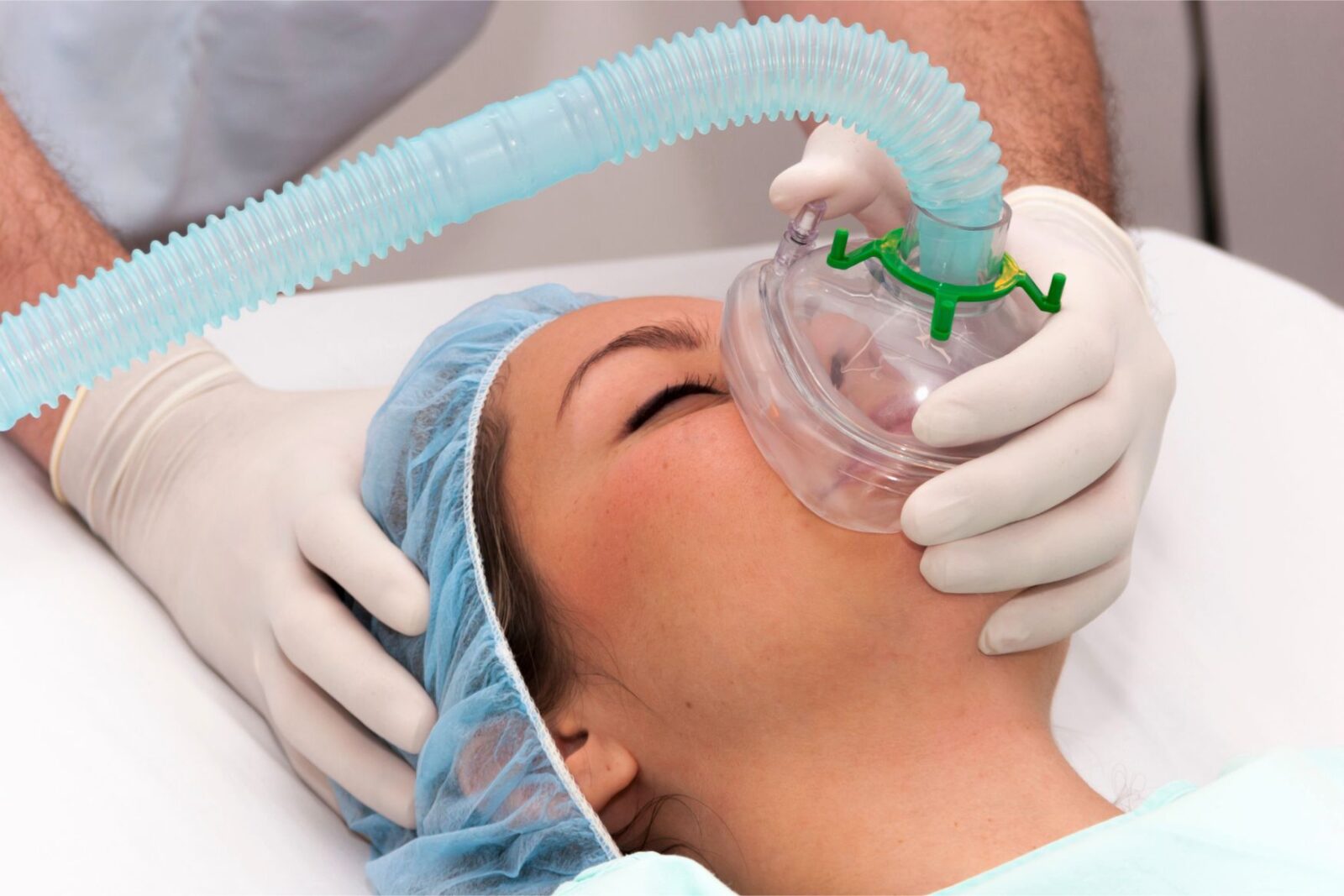
Anesthesia Detox: How It Works, Risks & Alternatives
Anesthesia detox is often marketed as a way to simply sleep through withdrawal and wake up with the substance out of your system. That claim can sound promising to someone afraid of withdrawal, but it can also be misleading.
Anesthesia detox is primarily associated with substances that cause dependence through the brain's opioid-receptor system. This includes traditional opioids such as fentanyl, heroin, oxycodone, methadone, and buprenorphine.
In recent years, anesthesia detoxes have begun treating addictions to kratom, concentrated 7-hydroxymitragynine (7-OH) products, MGM-15, and pseudoindoxyl. Kratom is not technically classified as an opioid. Still, several of its active alkaloids interact with the same opioid receptors, which is why these opioid anesthesia detox clinics can detoxify it.
The Coleman Institute stopped performing anesthesia-assisted detox in 2001, after completing a few hundred procedures with zero fatalities. Our medical team developed an easier and gentler alternative through multi-day outpatient protocols that avoid general anesthesia and allow withdrawal to be managed over several days with close medical monitoring and comfort medications.
What Is Anesthesia Detox?
Anesthesia detox is a procedure in which a patient is placed under general anesthesia or deep sedation. At the same time, an opioid antagonist, such as naloxone or naltrexone, is administered to trigger withdrawal rapidly. The antagonist may precipitate withdrawal within roughly 20 minutes, although the patient typically remains under anesthesia or sedation for several hours while the process is monitored.Because the patient is unconscious or heavily sedated, they may have limited awareness of withdrawal symptoms during the procedure. However, anesthesia does not allow the body to bypass withdrawal or guarantee that symptoms will be over when the patient wakes. Discomfort and other withdrawal symptoms may continue afterward, in addition to the medical risks associated with anesthesia or sedation. The procedure may also be called:
- Ultra-rapid detoxification (URD)
- Ultra-rapid opioid detoxification (UROD)
- Anesthesia-assisted rapid opioid detoxification (AAROD)
- Detox under anesthesia
- Sedation detox
Which Substances May Be Treated With Anesthesia Detox?
Anesthesia-assisted and deep-sedation programs generally focus on substances that act directly or indirectly on opioid receptors.Substances treated by sedation-based opioid-dependence programs may include:
| Prescription Opioids | Oxycodone, OxyContin, Percocet, Vicodin, hydrocodone, morphine, codeine, and similar pain medications |
| Illicit & Synthetic Opioids | Heroin, fentanyl, and some fentanyl analogs |
| Long-Acting Opioids* | Methadone and buprenorphine products such as Suboxone, Subutex, and Zubsolv |
| Atypical Opioids | Tramadol, Tapentadol, and other medications with clinically significant opioid-receptor activity |
| Kratom-Related Substances | Kratom, kratom extracts, concentrated 7-OH products, MGM-15, pseudoindoxyl, and other high-potency kratom alkaloid products |
Not every anesthesia detox facility treats every substance, and the exact procedure may vary based on the substance, dose, product potency, duration of use, other substances being used, and the patient's history.
Alcohol, benzodiazepines, cocaine, methamphetamine, and other non-opioid substances require different withdrawal-management approaches. They are not typically treated with an opioid-antagonist procedure like anesthesia detox.
Can Kratom Be Treated With Anesthesia Detox?
Yes. Although kratom is not an opioid, its primary alkaloids, especially mitragynine and 7-hydroxymitragynine, interact with mu-opioid receptors. Regular use of kratom-derived products can lead to tolerance, dependence, and withdrawal symptoms that frequently resemble opioid withdrawal.Because of this opioid-receptor activity, some facilities include kratom dependence within their anesthesia-assisted treatment programs. Opioid antagonists can affect the receptors activated by kratom alkaloids and may precipitate withdrawal in someone dependent.
That does not mean every opioid anesthesia-detox protocol can automatically be used for every kratom product. Traditional kratom leaf, extracts, enhanced products, 7-OH tablets, and newer synthetic or semi-synthetic alkaloid products can differ significantly in potency and pharmacology. It’s also important to note that research specifically evaluating anesthesia-assisted detox for kratom remains limited.
How Does Anesthesia Detox Work?
During traditional anesthesia detox, opioid antagonists such as full-strength naloxone or naltrexone block opioid receptors. When these medications are given to someone who is physically dependent on an opioid, or another substance that significantly activates opioid receptors, they can cause precipitated withdrawal; this is an abrupt and often intense form of withdrawal. This process removes all opioids, including kratom, from the brain’s receptors in as little as twenty minutes.General anesthesia limits the patient's awareness of what is happening, but it does not prevent the body from experiencing the physical stress of withdrawal. After the procedure, patients frequently experience severe nausea, vomiting, diarrhea, muscle aches, anxiety, agitation, insomnia, cravings, and other withdrawal symptoms. Some may require continued medical observation or hospitalization; these clinics advertise as having this super quick procedure, but what they don’t highlight is the amount of time, whether it's days or weeks, they have to stay hospitalized recovering.
Is Anesthesia Detox Safe?
The research and findings on anesthesia detox have raised serious safety concerns. The American Society of Addiction Medicine advises against ultra-rapid opioid detoxification because of the risk of serious adverse events or death. The Centers for Disease Control and Prevention (CDC) has also stated that ultra-rapid detoxification under anesthesia carries substantial risks and should not be used.Possible complications of anesthesia detox include:
- Breathing problems, aspiration, or pulmonary edema
- Dehydration and electrolyte imbalances
- Heart rhythm disturbances and other cardiovascular complications
- Stress on the kidney and complications
- Severe agitation, confusion, delirium, or psychiatric symptoms
- Complications related to general anesthesia
- Death
Can You Really Sleep Through Withdrawal?
Anesthesia may prevent someone from consciously experiencing part of an induced withdrawal period, but it does not stop withdrawal from occurring. The nervous system and other body systems still undergo the physical stress of the process, and symptoms may continue after the patient wakes up.In a clinical trial published in JAMA, withdrawal severity was comparable among patients assigned to anesthesia-assisted opioid detox, buprenorphine-assisted detox, or clonidine-assisted detox. The anesthesia group did not have better treatment retention or opioid-use outcomes, and the procedure was associated with three potentially life-threatening adverse events.
Does Anesthesia Detox Prevent Relapse?
No detoxification procedure can, by itself, resolve a substance use disorder or guarantee that someone will stay sober. Detox addresses withdrawal and medical stabilization. It does not automatically address cravings, mental health conditions, stress, trauma, behavioral patterns, or the person's environment.After a period without opioids or other opioid-receptor-active substances, tolerance may decline. Returning to a previously used amount can increase the risk of severe toxicity or overdose, particularly with fentanyl, heroin, prescription opioids, and even concentrated kratom products like 7-OH extracts.
Why Did The Coleman Institute Stop Performing Anesthesia Detox?
The Coleman Institute performed more than 300 anesthesia-assisted detox procedures during the early development of our rapid detoxification treatment program. Although our former program did not experience any fatalities, we found that the procedure placed significant stress on patients and did not eliminate the difficult period following detox.Our medical team concluded that the risks, cost, and post-procedure discomfort were not justified when a gentler approach could be developed. In 2001, The Coleman Institute stopped performing detox under general anesthesia and developed the Coleman Method for accelerated outpatient withdrawal management.
How Is The Coleman Method Different From Anesthesia Detox?
The Coleman Method is not ultra-rapid detox under anesthesia. Our outpatient programs take place over several days, use medical monitoring and substance-specific medications, and do not place patients under general anesthesia.Over the decades, we’ve treated thousands of patients, including many who previously underwent anesthesia detox. These patients consistently tell us that they found our method to be far more comfortable than their experience with anesthesia detox.
The Coleman Institute offers outpatient treatment for:
- Fentanyl & heroin
- Prescription opioids & pain medications
- Suboxone & Methadone
- Kratom, 7-OH, MGM-15, & pseuodinodxyl
- Alcohol
- Stimulants
- Benzodiazepines
Another consideration is that, because of the fatality risk associated with anesthesia detox, many people don’t even qualify for it, especially those who are elderly or have other health conditions. Because our method is much safer than an anesthesia detox, we aren’t as limited in who we can accept into our program.
Our approach includes non-addictive comfort medications, close monitoring, and naltrexone when medically appropriate. Every patient completes a medical screening before scheduling so a provider can determine whether our accelerated program is suitable. A support person is also required during treatment and immediately afterward.
Find an Alternative to Anesthesia Detox
If you or someone you love is concerned about withdrawal, The Coleman Institute is here to help. You don’t have to wait to start your lasting recovery, as we have no waitlist and are accepting patients at all locations.Our accelerated outpatient detox programs with a 0% fatality rate are designed to help medically eligible patients reclaim their sobriety without general anesthesia or an extended inpatient stay. Because detoxification is only one part of recovery, we also encourage patients to continue with counseling, recovery support, mental health care, and other appropriate treatments; all TCI patients receive 6 months of follow-up care, along with a case manager who can help with their aftercare plan.
Call 877-773-3869 to speak with a compassionate admissions coordinator about your addiction treatment options.

12
Jun 24
Suboxone Alternatives to Detox Off Opioid Pain Medication
In the journey toward recovery from opioid pain medication addiction, deciding which opiate detox method to choose plays a pivotal role. While Suboxone has long been a cornerstone of therapy in addiction medicine, particularly for those seeking to overcome dependence opioid-based on pain medications, it's important to acknowledge that its efficacy and suitability can vary significantly among individuals. With the complexities of opiate dependency and addiction and the varied responses of individuals to treatment, exploring alternatives to Suboxone for pain medication detox is becoming increasingly important. These alternatives range from other pharmacological treatments to holistic and natural approaches, each offering unique advantages and considerations.
(more…)